Six case studies, three studies, two sites, one question.
Can an organisation that builds regulated medical equipment author its own extended reality,
keep authoring it, and be measurably better off for having done so? Everything below answers
part of that.
The Proposal
One CAD source, four delivered capabilities
A mechanical engineer imports a CAD assembly once, then picks the container that suits the
review. Four reached the partner as supported offerings. A fifth, multi-user mixed reality,
was explored but never packaged.
CAD assembly to four XR authoring templates
Built on Unity
with the XR Interaction Toolkit
and the Meta XR SDK,
fed by an enterprise CAD to mesh translation stage, and targeted at both tethered PC and
standalone headsets.
Unity
OpenXR
C#
SolidWorks
Twelve builds, four offerings. Across four years every Unity release, XR
Interaction Toolkit update, Meta SDK revision and Meta Link update broke interoperability
somewhere in the chain, so templates were rebuilt rather than patched. SUVR came first and
was iterated the most. SUMR took over as the primary offering after roughly two years and
became the most used. Stylus XR went through three iterations covering both VR and MR. MUVR
was drafted once and needs more. Long term support is genuinely hard to promise while four
vendors move this fast.
A note on redaction. This work was carried out inside a regulated medical
device manufacturer. Equipment designs, internal project names, participant identities and
commercial terms are withheld. Metrics are aggregates, and any CAD geometry shown on this
site is either generic or already published in a peer reviewed paper.
Case Studies
Situation, task, action, result
Open any case for the full account. Hover a figure to see what it counts.
CASE 012022 to 2024Galway, November 2023
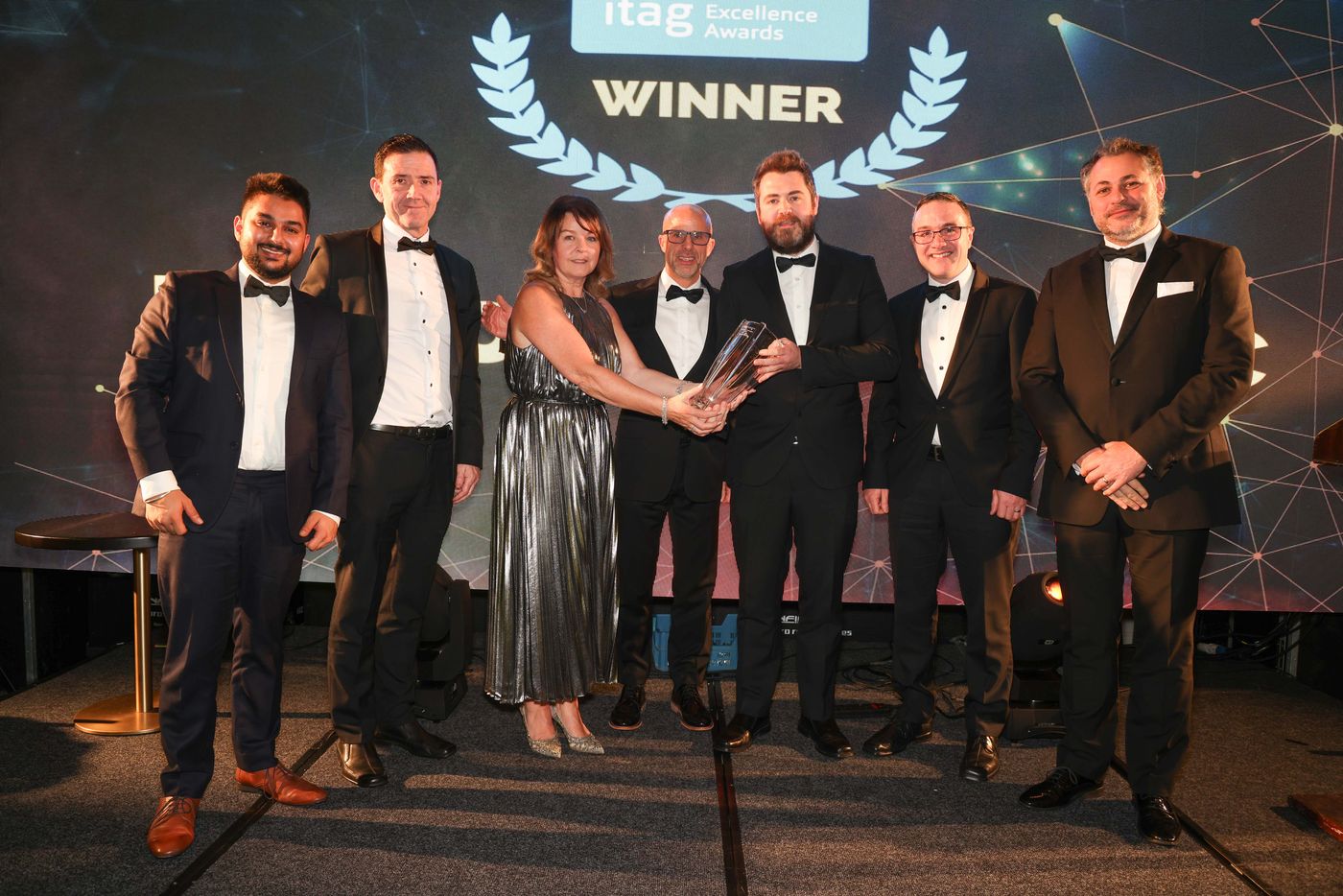
Boston Scientific Galway nominated the XR design review project and won its category
at the ITAG Excellence Awards. The award belongs to the partner. The work behind
it is case 01.
A no-code CAD to VR workflow for equipment design review
Turning a SolidWorks assembly into a walkable design review that a mechanical engineer builds without writing code.
Situation
Equipment design reviews ran on 2D CAD screenshares, printed parts and cardboard floor
layouts. An earlier augmented reality attempt had stalled on model size. The design group
had no XR capability and no programming capacity, and the use case the project was
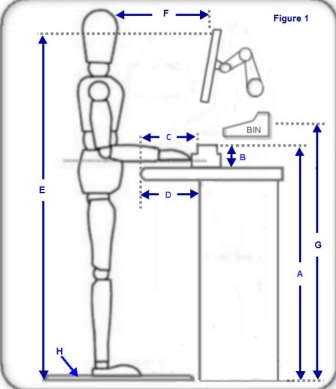
originally scoped around, ergonomic testing, turned out to happen too rarely to justify
the investment.
Task
Re-scope to an activity that recurs, then deliver something a mechanical engineer can
operate unaided: a CAD assembly to a reviewable virtual environment in under thirty
minutes for a single model, under an hour for several, with no code.
Action
Produced a state of the art review covering 27 XR devices, a dozen sensor classes, ten industry case studies and a market analysis, so the hardware and toolchain choice was on the record.
Chose a cross-platform interaction toolkit over a single vendor SDK, and paired it with an enterprise CAD to mesh translation stage that removed third party conversion steps.
Built a containerised project with locomotion, teleport anchors, grab and poke interactions, degree of freedom constrained part motion, hinged doors and drawers, and an in-headset tutorial.
Iterated on site across successive demonstrations, adding hand tracking and revised locomotion after watching how engineers actually held the controllers.
Wrote and versioned a two-part instruction set separating the person who maintains the template from the person who builds an experience with it.
Result
A full facility assembly of roughly 200 MB became walkable at real scale in about seven
and a half minutes, against a slower multi-tool route. The workflow became the site's
standard entry point into XR, six design groups ran genuine reviews on it, and the
partner's nomination won its category at the ITAG Excellence Awards.
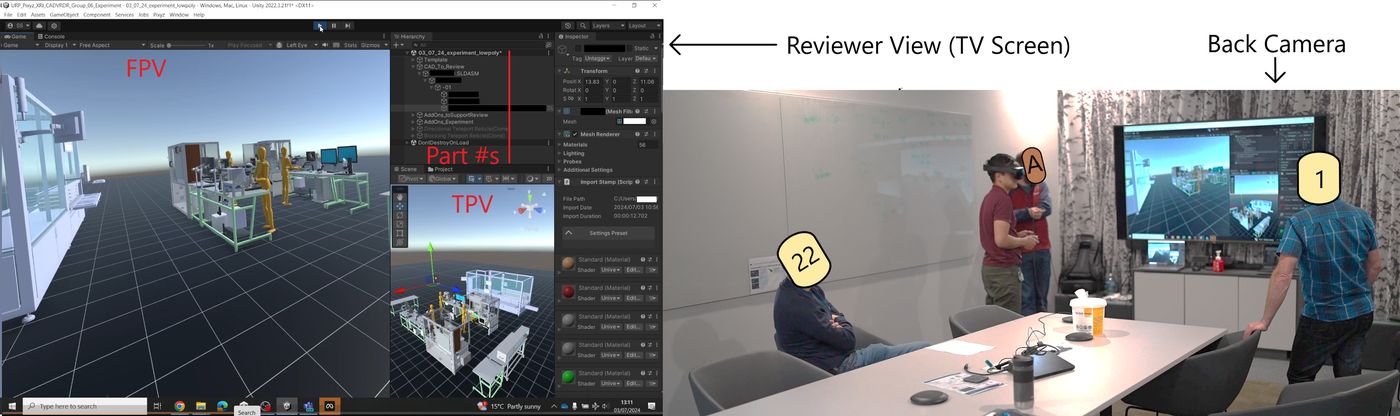
The SUVR template in operation, Unity editor and headset viewThe original scope: manual ergonomic assessment, later found too infrequent
End to end import
A roughly 200 MB SolidWorks assembly of an entire facility, imported directly into
the template and playable at real scale. The previous route went through a separate
visualisation tool first and took longer for the same models.
50 million to 500 thousand
Post-import decimation with surface tolerance held. The reviewing mechanical engineer
judged no loss of information that mattered for the review, which is the only test
that counts here.
In-headset statistics
Every experience was run for a full session length before it went in front of a
design group, with frame rate, batch count and triangle load read from the running
build rather than estimated.
CASE 022024ACM IMX 2025
A three-phase mixed method study of VR process transformation
The tool worked. Nobody yet knew whether it changed how design reviews actually happen.
Situation
A deployed workflow with enthusiastic anecdotes attached to it and no systematic evidence.
The surrounding literature leaned on student participants and short lab tasks, which a
manufacturer has no reason to find persuasive.
Task
Evidence the process change with practising industry experts, in their own building, on
their own equipment designs, under research ethics approval.
Action
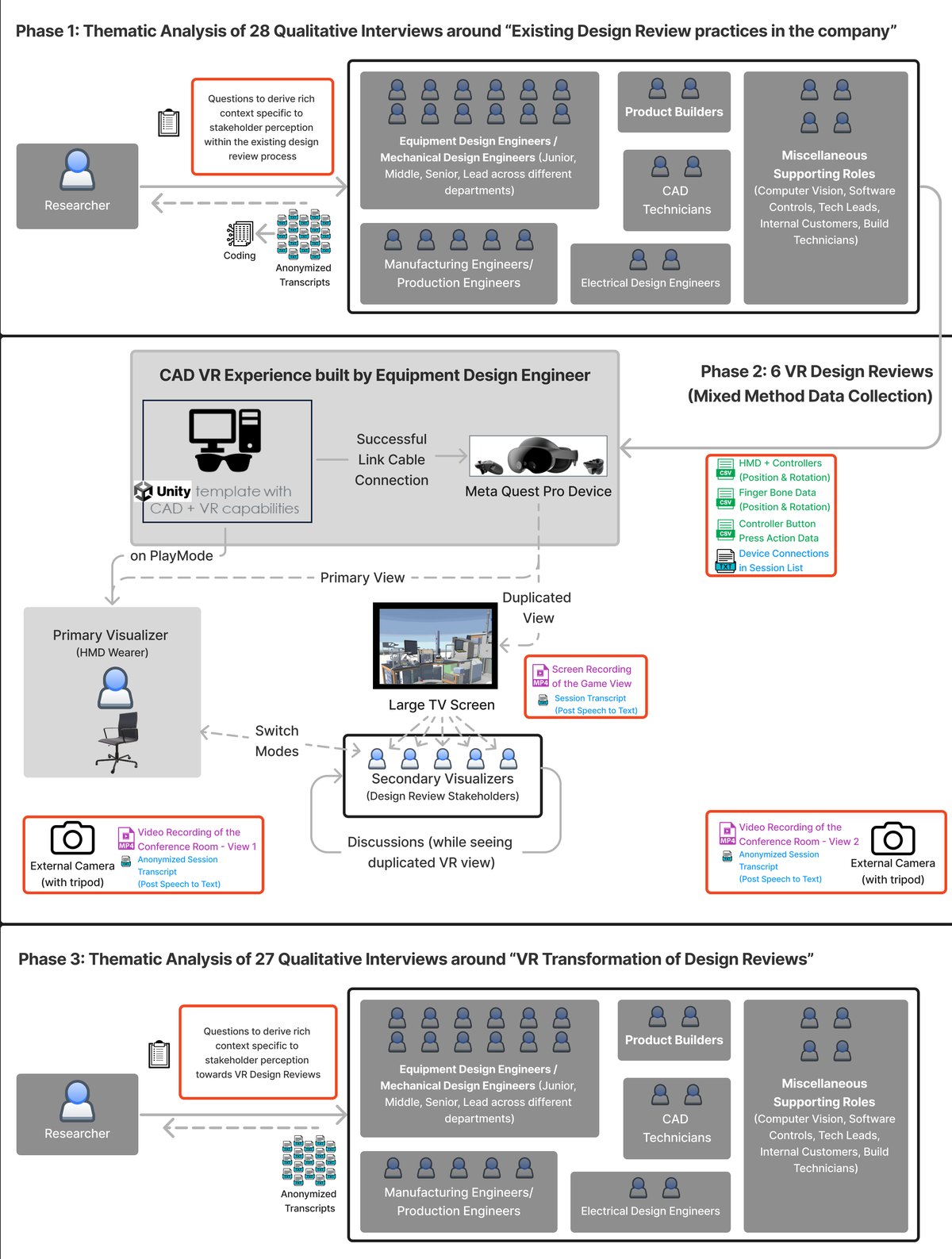
Designed three phases: individual pre-exposure interviews, instrumented group design reviews in VR, then post-exposure interviews with the same people.
Recruited across equipment design, manufacturing, electrical, controls, computer vision, quality, maintenance, production and engineering leadership.
Revised the protocol against ethics committee feedback, including correcting the named supervisory data authority and addressing researcher to participant power imbalance in a co-designed study.
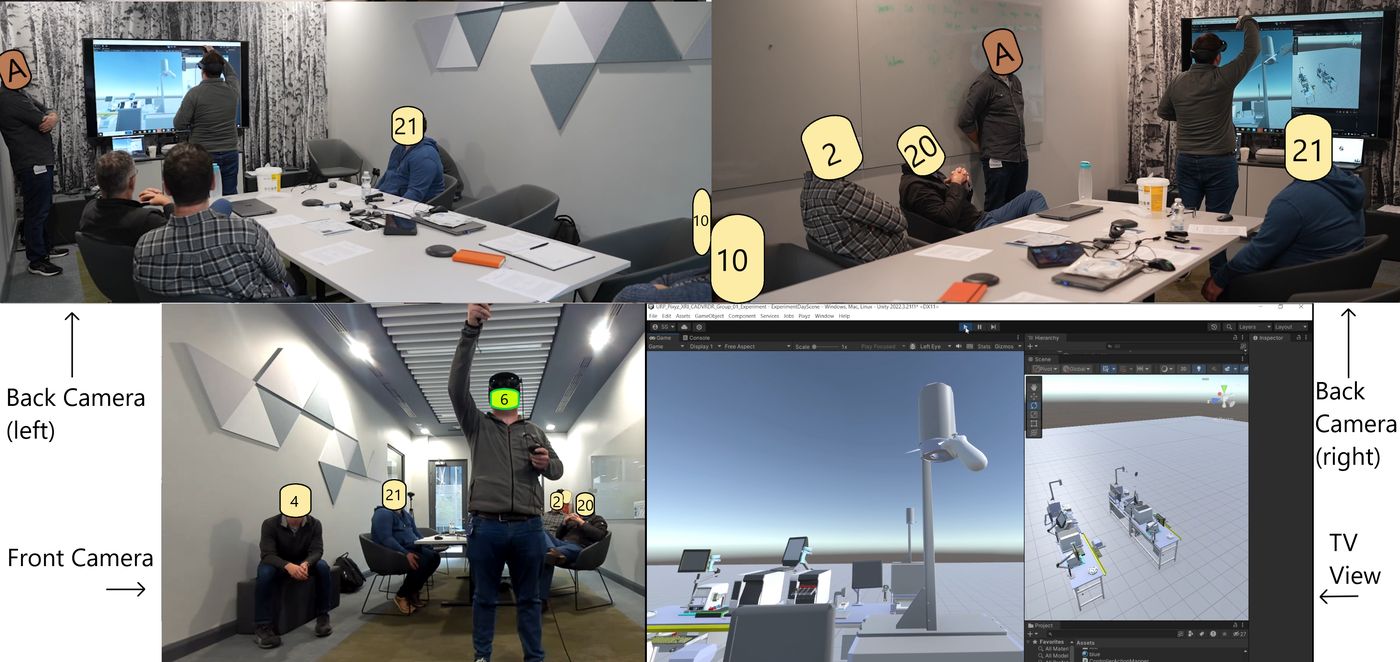
Wrote telemetry logging directly into the application and ran four synchronised capture sources per session.
Transcribed, anonymised and analysed the interview corpus with reflexive thematic analysis.
Result
28 of 31 participants completed every phase, well beyond typical expert evaluation
sample sizes in this literature. The analysis produced a structured account of existing
review practice and of what changed: spatial comprehension of assemblies, earlier
detection of issues that 2D review missed, cross-functional alignment, and a candid map
of adoption barriers including IT constraints, workload and data security.
The three phase design, as published at ACM IMX 2025
Room instrumentation, participant faces obscured at sourceFour synchronised capture sources per session
Cross-functional by design
Equipment design engineers, manufacturing and process engineers, electrical and
controls, computer vision, quality, maintenance, production operators and engineering
leadership, so the findings were not just a designer's view of a designer's problem.
Real reviews, not demonstrations
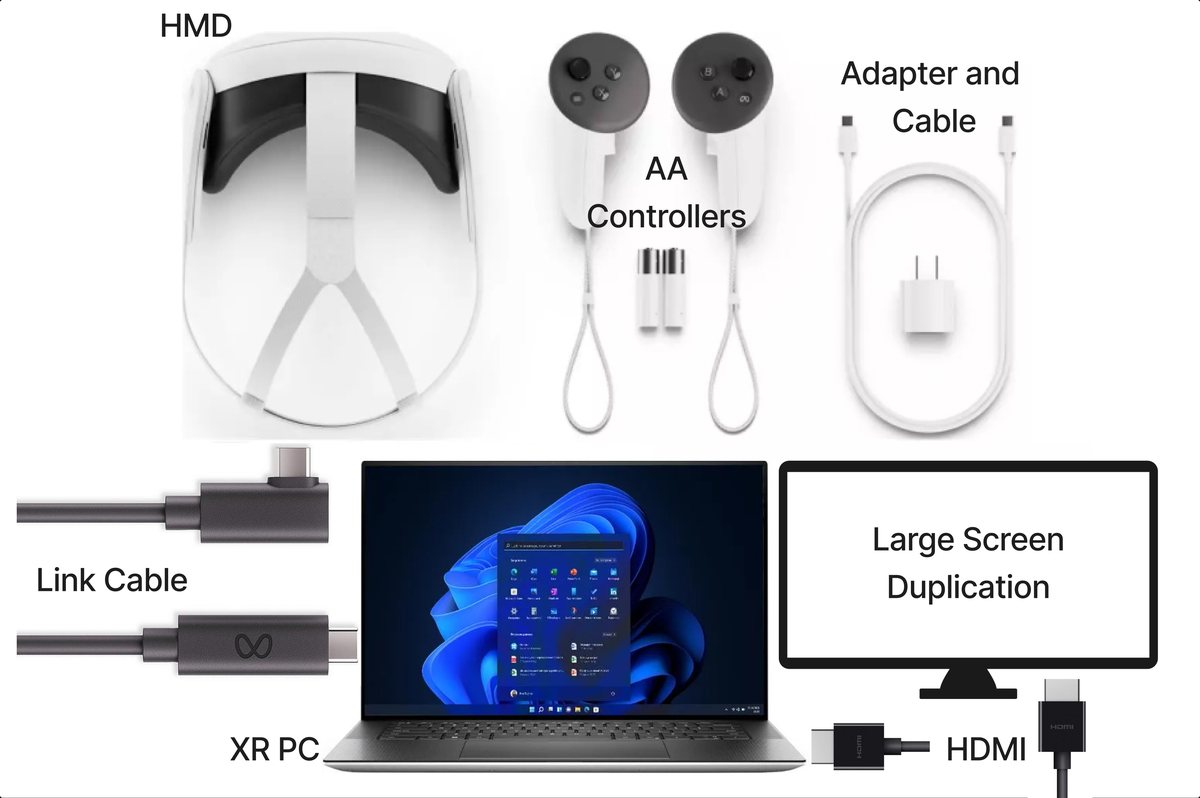
Six equipment design groups each reviewed their own live CAD in VR, with the headset
view duplicated to a large screen so non-wearers could take part. Groups sent their
own models and interaction requirements in advance.
Three streams, one clock
Headset position and rotation
Controller position and rotation, plus every button and trigger press
Hand and finger bone tracking for both hands
Written to timestamped CSV alongside two room cameras, a screen recording and the
conference room feed.
The methodology paper
Transforming Design Reviews with XR, presented at IMX 2025 in Niteroi, Brazil,
is the publication that sets out this three phase evaluation. The MMSys 2025 demo
paper covers the stylus work in case 05 instead.
CASE 032025 to 2026Capstone study
Supervised to unsupervised: can engineers learn to author XR?
Making the authoring workflow itself the object of study, and measuring the learning instead of asserting it.
Situation
Transfer examiners judged the work to read as an industry report rather than a scientific
contribution, and journal reviewers had separately asked for quantitative validation the
first study did not carry. Meanwhile the field kept claiming that no-code tools
democratise XR authoring without measuring whether anyone learns them.
Task
Stop evaluating the experience and start evaluating its creation. Establish whether a
mechanical design engineer, given an instruction set and no supervision, can author a
mixed reality design review, and what it costs them.
Action
Narrowed scope from four candidate templates to one, so the comparison was between two situational contexts rather than six tools. The scope discipline was itself a finding.
Opened with six role-based focus groups covering senior leaders, CAD design engineers and non-CAD supporting engineers, each preceded by an individual objective questionnaire.
Ran supervised authoring sessions one engineer at a time, with a step-wise task load instrument after every step and a usability instrument at the end.
Repeated unsupervised with the same engineers, working from instructions revised using what the supervised round exposed, and their own choice of model and interactions.
Captured every session across two fixed camera angles and a 360 camera, then extracted critical incidents with timestamps by reviewing the 360 footage frame by frame.
Closed with a Delphi-inspired consensus round, supported by a personality inventory to test whether interaction style tracks disposition rather than ability.
Result
A defensible account of learnability across the supervised to unsupervised transition,
including the uncomfortable finding that supervision can support learning and conceal
systemic usability flaws at the same time. Outputs include an ontology for XR
equipment design review, an adoption governance framework, an experience creator typology,
and a reframing of workflow documentation as a living artefact revised from observed
breakdowns.
The kit carried to every session, as specified in the instruction set
Three perspectives
Senior leaders who influence adoption, CAD design engineers who would do the
authoring, and non-CAD supporting engineers who attend reviews but do not model. Each
group answered a written baseline questionnaire before the discussion opened.
14 supervised, 13 unsupervised
The same engineers wherever attendance allowed, working unsupervised the second time
from instructions revised using the breakdowns seen in the first round.
Roughly 3 TB
Two DSLR angles and a 360 camera per session, plus the Unity project as it stood at
the end of each one. Three further focus groups followed in phase four.
The instrument set
Demographics and baseline self-ratings
SIM-TLX task load, captured after each authoring step
System Usability Scale, supervised against unsupervised
BFI-2-S personality, and end-ratings consensus in phase four
CASE 042026Second site
Site-neutral replication at a second manufacturing plant
Answering the generalisability objection the only way that counts, by running the protocol somewhere else.
Situation
Every reviewer raised the same limitation: a single industry partner at a single site. A
second plant within the same group had begun acquiring the same infrastructure, but its
engineering problems were visibly different.
Task
Replicate the four phase protocol without importing the first site's assumptions about
what XR is for.
Action
Ported the instruments and protocol with the use case deliberately left unnamed, so the second site's own application could surface rather than be suggested.
Ran all four phases inside a single working week, including focus groups, supervised and unsupervised authoring sessions and a closing consensus round.
Compared phase by phase against the first site, to separate what is a property of the workflow from what is a property of one plant's culture.
Supported the second site's independent setup of the same toolchain, licensing and hardware.
Result
The protocol transferred, and it surfaced a different answer. The second site's dominant
demand was line and footprint layout planning of largely vendor-supplied designs,
rather than iterative design review of in-house equipment. Same authoring capability,
materially different job to be done, which is exactly the distinction a single-site study
cannot make.
Attrition is part of the finding
Fifteen were recruited and nine completed, of whom only three were mechanical
design engineers and therefore eligible for the authoring phases. Running a study
inside a working plant means reporting who did not show up as well as who did.
Compressed by necessity
Introduction and focus group on day one, supervised authoring on day two,
unsupervised authoring on day three, closing consensus on day four. The compression
itself tested how portable the protocol is.
Not design review
The second site works with vendor designs far more than the first, so its question is
whether equipment fits a line and a footprint, not whether a design should change.
Same templates, different question, different success criteria.
CASE 052023 to 2026ACM MMSys 2025
Mixed reality at full scale, co-created with the people using it
Passthrough mixed reality, stylus annotation, and templates that were extended and rebuilt with the engineers who relied on them.
Situation
Leadership needed to judge whether two large equipment assemblies would physically fit a
planned cleanroom, at real scale, before committing. Drawings and layout packs were not
settling the argument, and a fully virtual environment removed the room they were trying
to reason about.
Task
Put the geometry into the real space, then make it reviewable: movable, measurable and
annotatable by someone who is not a developer.
Action
Characterised both mixed reality routes available to the partner, see-through on a waveguide headset and colour passthrough on a video headset, including where each breaks down on model size and tracking.
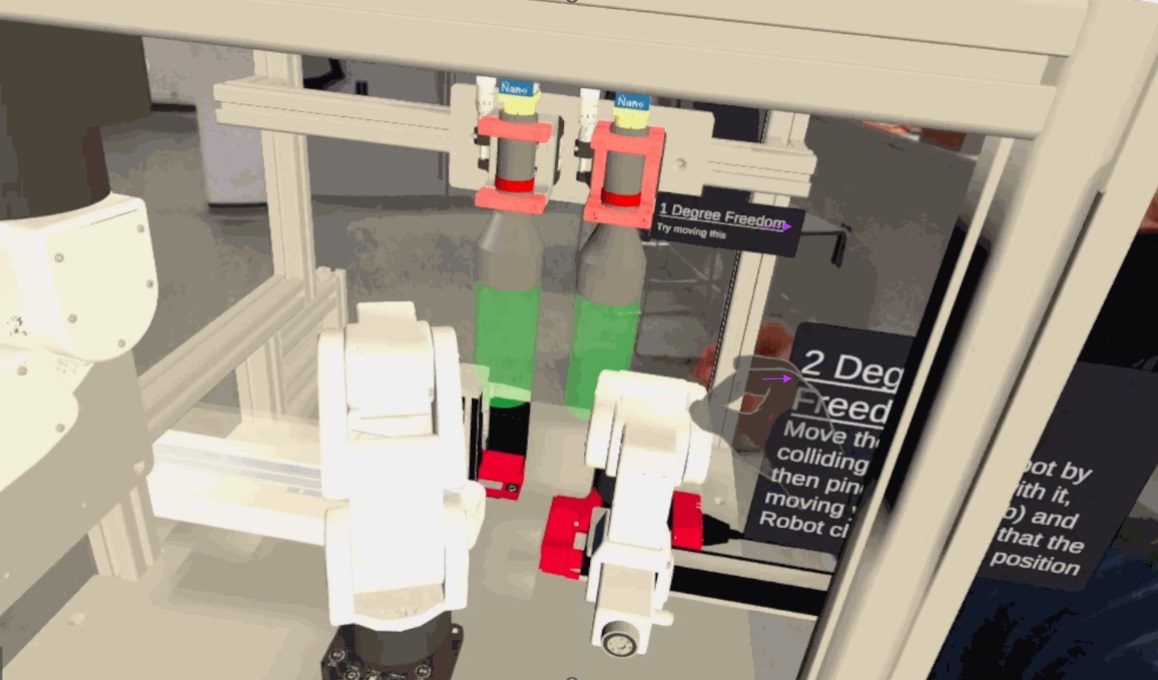
Built a passthrough template anchoring CAD assemblies in the physical room with hand grab translation, two-handed rotation and constrained part motion, duplicated to a large screen so non-wearers could participate.
Extended the template with stylus input for three dimensional drawing and markup during early stage review, across three iterations covering both VR and MR.
Co-created throughout. Requirements came from the engineers who would use each build, features were added after watching real sessions, and templates were rebuilt rather than patched every time a vendor SDK moved underneath them.
Result
Delivered in the intended cleanroom and used for the planning decision. The stylus work
became the ACM MMSys 2025 industry demonstration in Stellenbosch, and the same builds
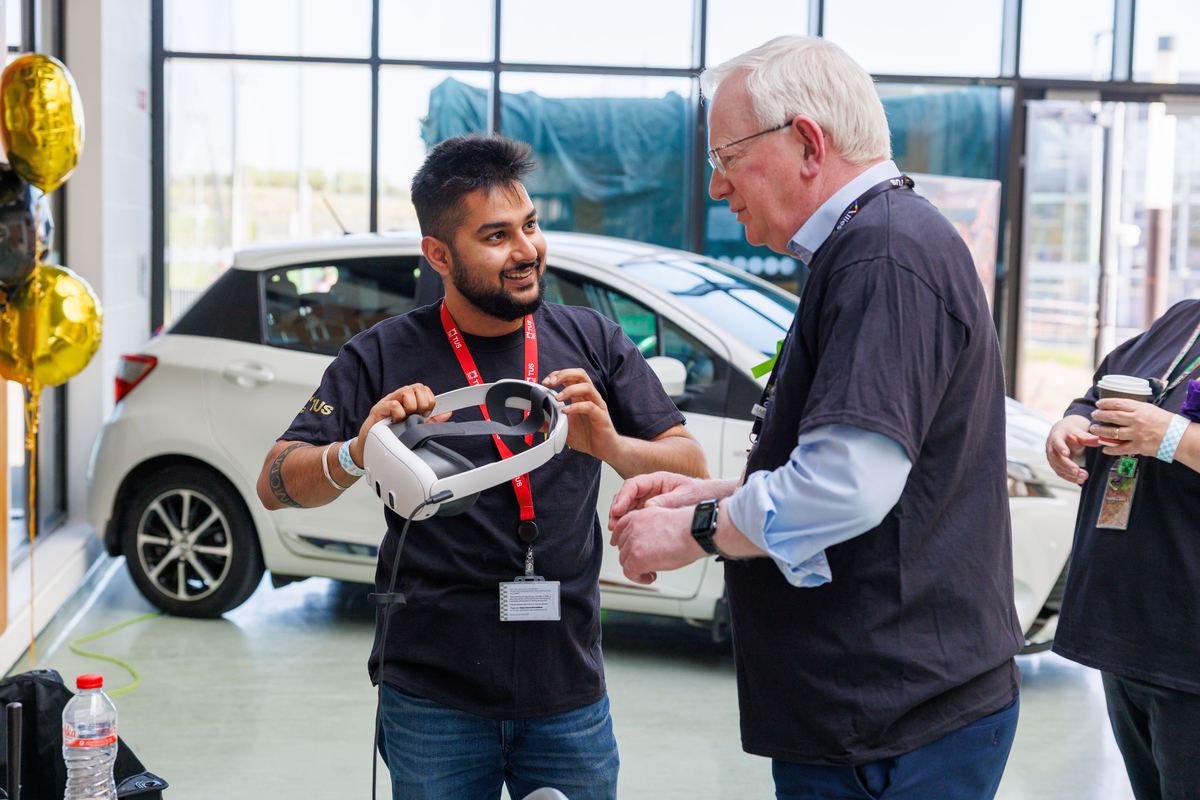
carried the public demonstrations that followed at engineering expos and university
symposia. Layout planning later became the primary use case at the group's second site.
Passthrough mixed reality, CAD anchored in the real roomDegree of freedom constrained part motion, taught in the instruction set
Two identical assemblies, one real room
Three large machines per assembly, more than a hundred square feet each, reviewed at
real scale in the cleanroom they were destined for. The optimisation trade-offs were
documented as workflow constraints rather than hidden.
A partial list
ACM MMSys 2025 industry demo, Stellenbosch
TUS Engineering Expo, 2024 and 2025
TUS symposium on XR in education, 2025
Partner site demonstrations and external industry body visits
Drawing, then measuring
Three dimensional drawing and markup first, then real-world measurement and local
annotation storage. Each iteration followed a vendor SDK change or a request from an
engineer using the previous build.
CASE 062023 to 2025Procurement
Build versus buy: evaluating the commercial XR alternatives
Testing polished competitors to my own work, and reporting honestly where they won.
Situation
The partner was weighing commercial enterprise platforms for virtual design review, with
substantial recurring cost attached. As the person whose in-house tooling they would
displace, I was not a neutral party, and everyone in the room knew it.
Task
Produce an assessment leadership could act on, structured tightly enough that my own
interest in the outcome could not quietly shape it.
Action
Secured trial access to TheoremXR through a sister site, set it up inside enterprise network constraints, and ran single user and collaborative sessions end to end including save and load across headsets.
Evaluated Holo-Light remote rendering on a waveguide headset, working through setup and support escalation until the failure modes were understood.
Assessed Mersus Technologies and other vendor offerings surfaced through Digital Manufacturing Ireland workshops, alongside adjacent digital twin, 3D scanning and aggregation platforms.
Tabulated like-for-like comparisons against the in-house templates on customisation, single against multi user, virtual against mixed reality, measurement, staging control, upgrade path, IP control and total cost of ownership.
Result
An internal decision paper rather than an advocacy piece. It recommended a split: the
commercial platform suited polished virtual reviews with external customers, while the
in-house route held mixed reality, which the platform did not then support, along with
cost control, fit to the site's own engineering practice and retained IP. The reports
were kept internal and are carried into the thesis as an alternatives analysis rather
than published.
Journal article in preparation, from the capstone and replication studies.
In preparation
Theses and Reports
Doctoral thesis
A constructivist account of how an XR capability is discovered, authored, learned and
governed inside a regulated manufacturer, built on three studies across two sites.
Submitted 2026, available on request after examination
Transfer thesis
Industry transfer report covering the no-code virtual reality workflow and the three phase
process transformation study, with the IMX and MMSys papers appended.
2025, redacted copy on request
State of the art report
Partner deliverable reviewing 27 extended reality devices, sensor and tracking technologies,
ten industrial case studies and the XR market, with a structured comparison framework for
device selection.
2023, partner deliverable, redacted summary on request
Instruction sets
Co-created instruction sets representing the no-code Experience Creation Process, versioned
per template and revised from observed breakdowns rather than assumptions, plus headset
setup, software onboarding and standalone build documentation.
2023 to 2026, partner property, method described in the publications
Posters, Talks and Service
2026: invited participant, ACM IMX 2026 Early Career Track, including the early career pitch, mentor lunch and fireside session.
2025: industry demonstration, ACM MMSys 2025, Stellenbosch, on stylus driven mixed reality for early stage CAD design review.
2025: research poster and live demonstration, TUS symposium on XR in education.
2025: peer reviewer for a virtual reality research journal.
2024 and 2025: demonstrations at the TUS Engineering Expo, and on-site workshops for engineering teams, external industry bodies and visiting leadership.
2023: short paper and poster on a data collection framework for evaluating state of the art XR devices across sensor capability and quality of experience.
2022: poster, Confirm Smart Manufacturing Conference, Galway, on quality of experience evaluation of AR devices for ergonomic testing of manual equipment.
Beyond the Doctorate
Other research and engineering work
Projects run alongside the PhD, mostly because they were interesting and someone needed them done.
Took over and advanced a virtual news production tool in which a director, producer and
journalist collaborate inside a shared XR environment. Delivered virtual studio lighting
control, virtual camera output into a live production switcher, synchronised live video and
audio over NDI, a built virtual studio environment, and WebSocket control of audio, scene
transitions and on-screen graphics.
Worked on site with a European research centre partner to configure a multi-camera volumetric
capture rig for two simultaneous captures with audio, streamed into the Unity production
environment, and unit-tested the plugin integration against the broadcast studio project.
Pitched the hackathon to the faculty dean, built and defended the budget, secured the venue,
and ran HackAthlone in 2023, 2024 and 2025. The objective was to spread the hackathon
movement in Ireland, and by every measure the campaign worked. Previously location lead in
Limerick in 2021 and Vellore in 2017.
A continuous activity across four years rather than a single report: commercial XR design
review platforms, remote rendering, digital twin toolchains, 3D scanning, and the vendors
surfaced through Digital Manufacturing Ireland workshops, all translated into
recommendations the partner could act on.
Module leader for undergraduate computer science modules in big data and security, operating
systems, computer graphics and games modelling design, plus tutorial and laboratory delivery
across more than ten modules and an exchange lecturing engagement at
Shandong University of Technology.
During the PhD, supervised co-op students on documentation and testing work.
Earlier work
Before the doctorate
A masters dissertation building a Unity tool that gives game designers live resource
telemetry for balancing in-game economies during prototyping, an undergraduate thesis on
augmented reality guidance for twelve-lead ECG electrode placement, augmented reality
operating manuals and product design work for medical devices, and two published games.
 Galway, November 2023
 A partial list